A chronological reading room
Western literature, in time.
Scroll the canon from scripture to now. Each era holds its authors, each author their works, each work the characters, themes, and motifs that still echo. New in this binding: a motif atlas, close readings, and a seminar that stays with the page.
11 eras · 51 authors · 65 works · 10 essays
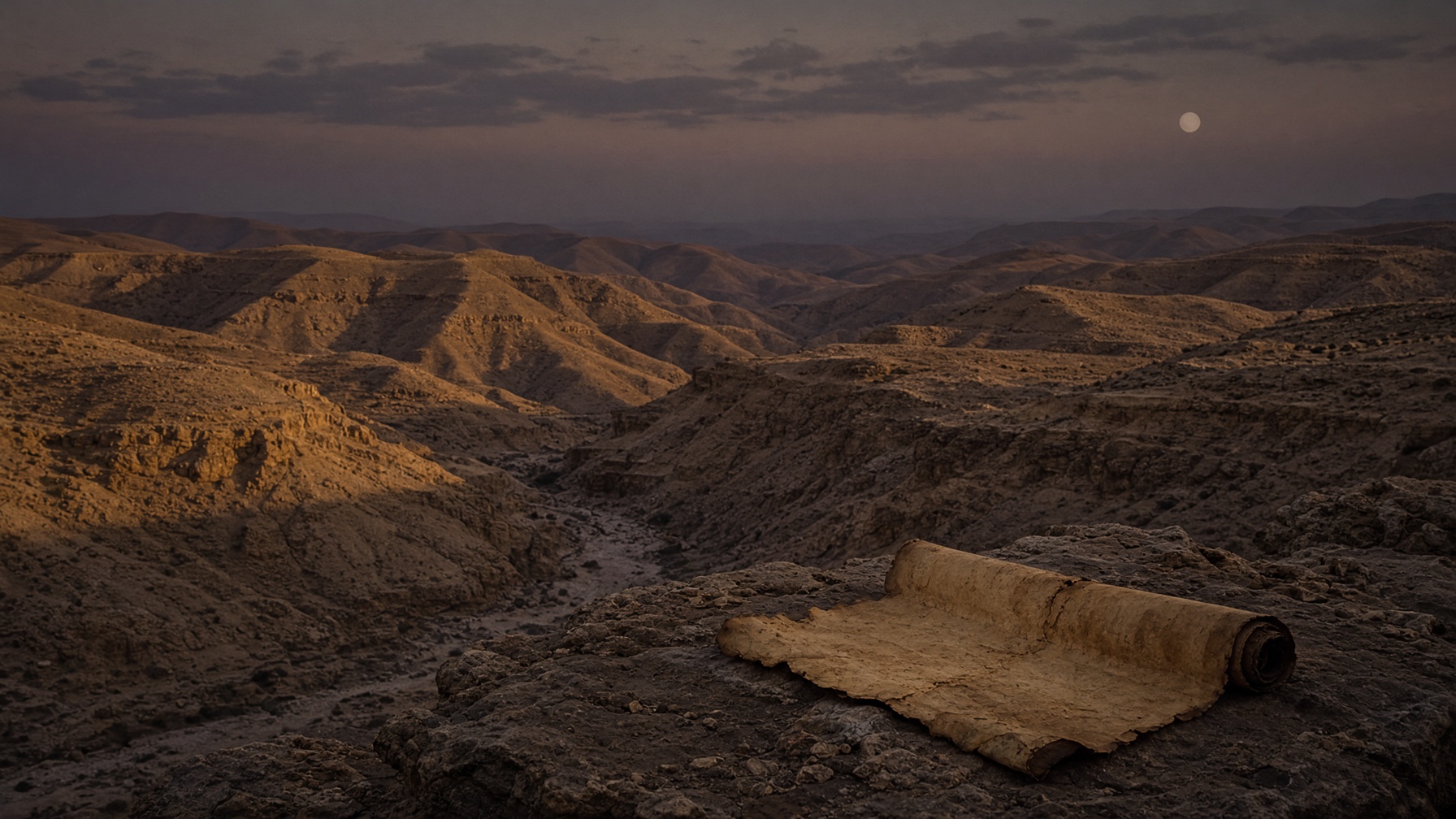
c. 1000–200 BCE
Hebrew Scripture
Covenant, lament, and the argument with God. Before the Greek epic, the West inherits a book that thinks in wound and promise.
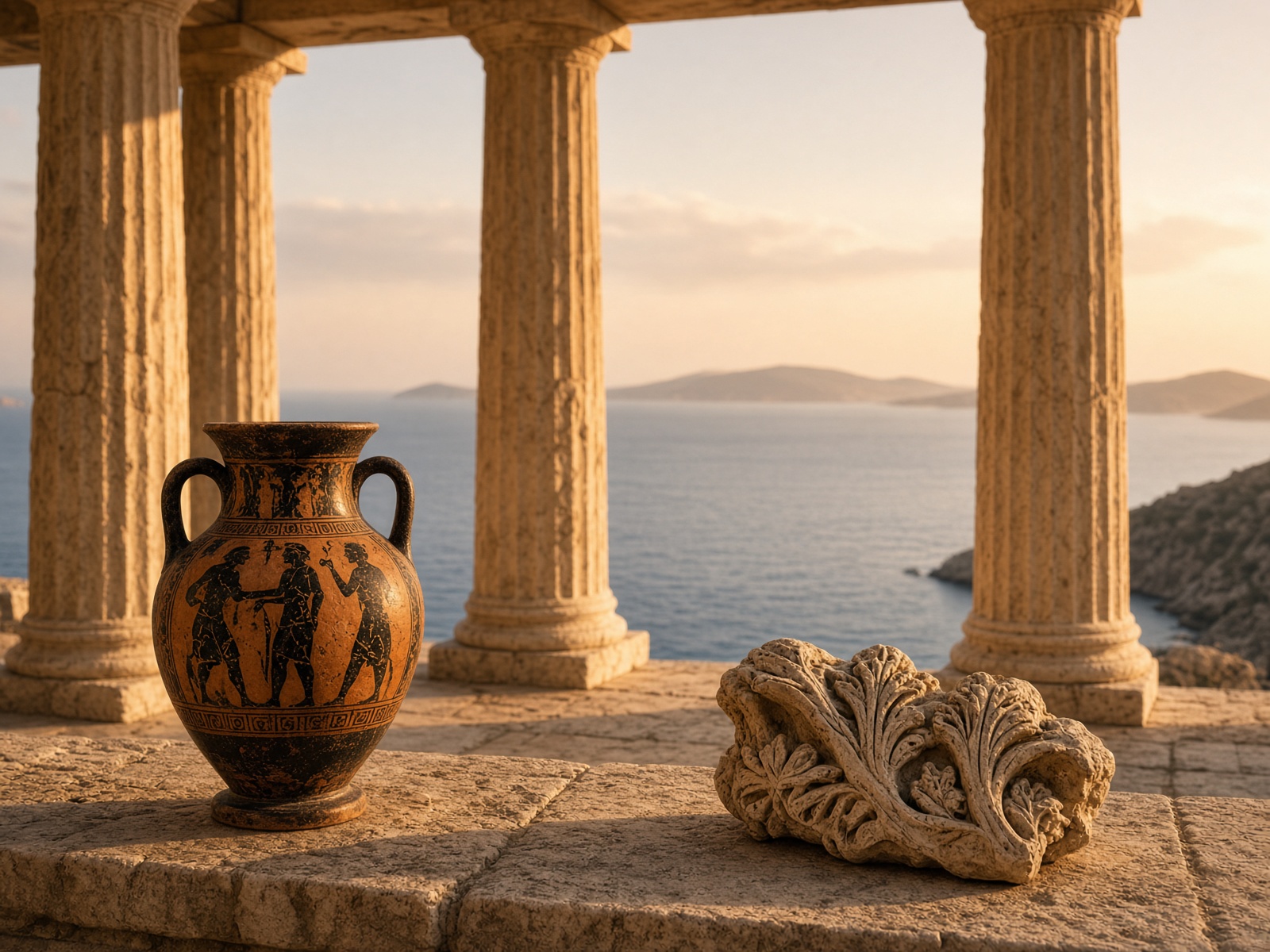
c. 800–300 BCE
Ancient Greek
Epic song, civic tragedy, and the first philosophy written as literature. The West learns how a story can found a people.
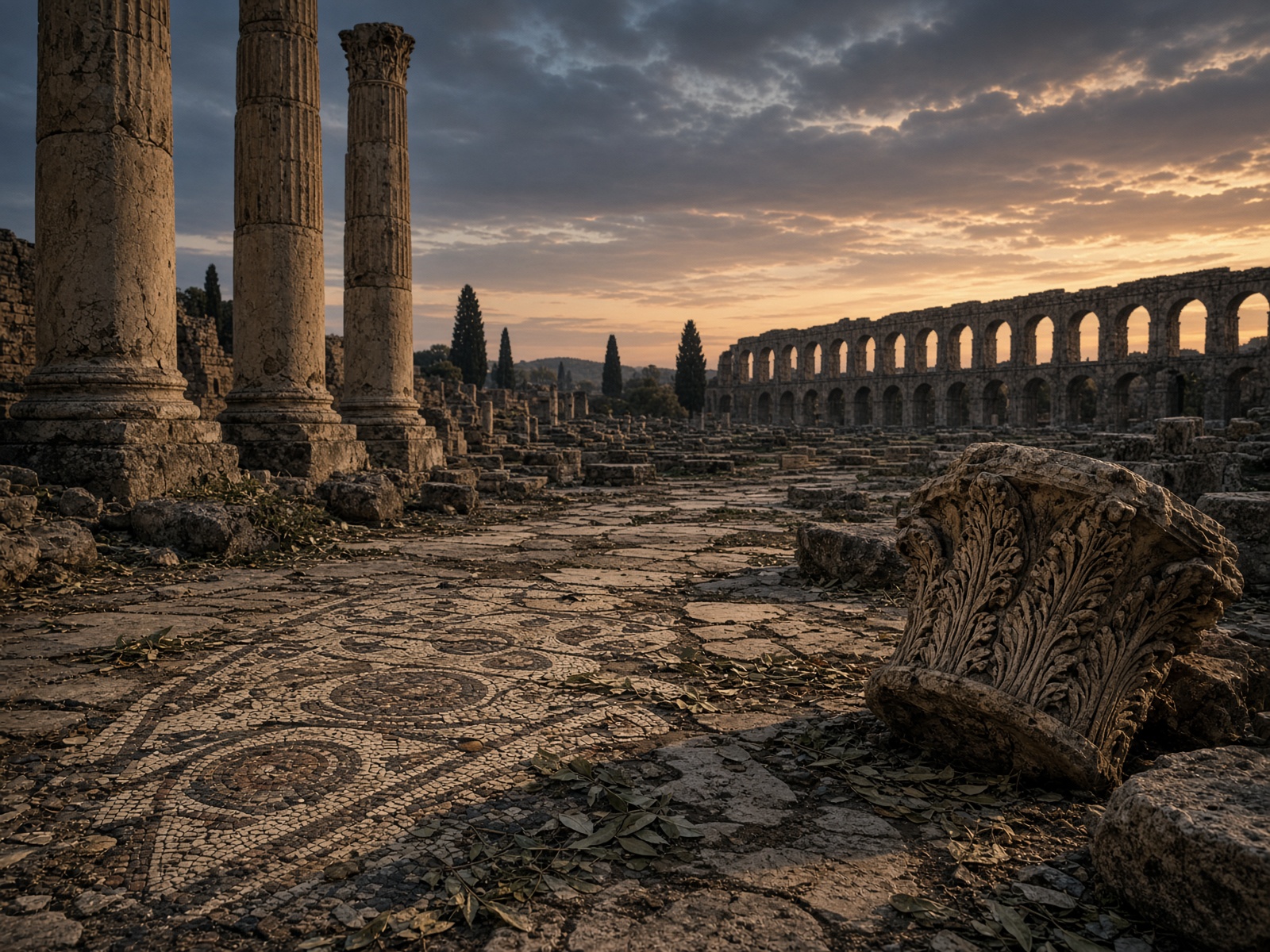
c. 70 BCE–180 CE
Roman
A borrowed Greek inheritance recast as imperial style: epic of founding, love as metamorphosis, and the polished lyric of the city.
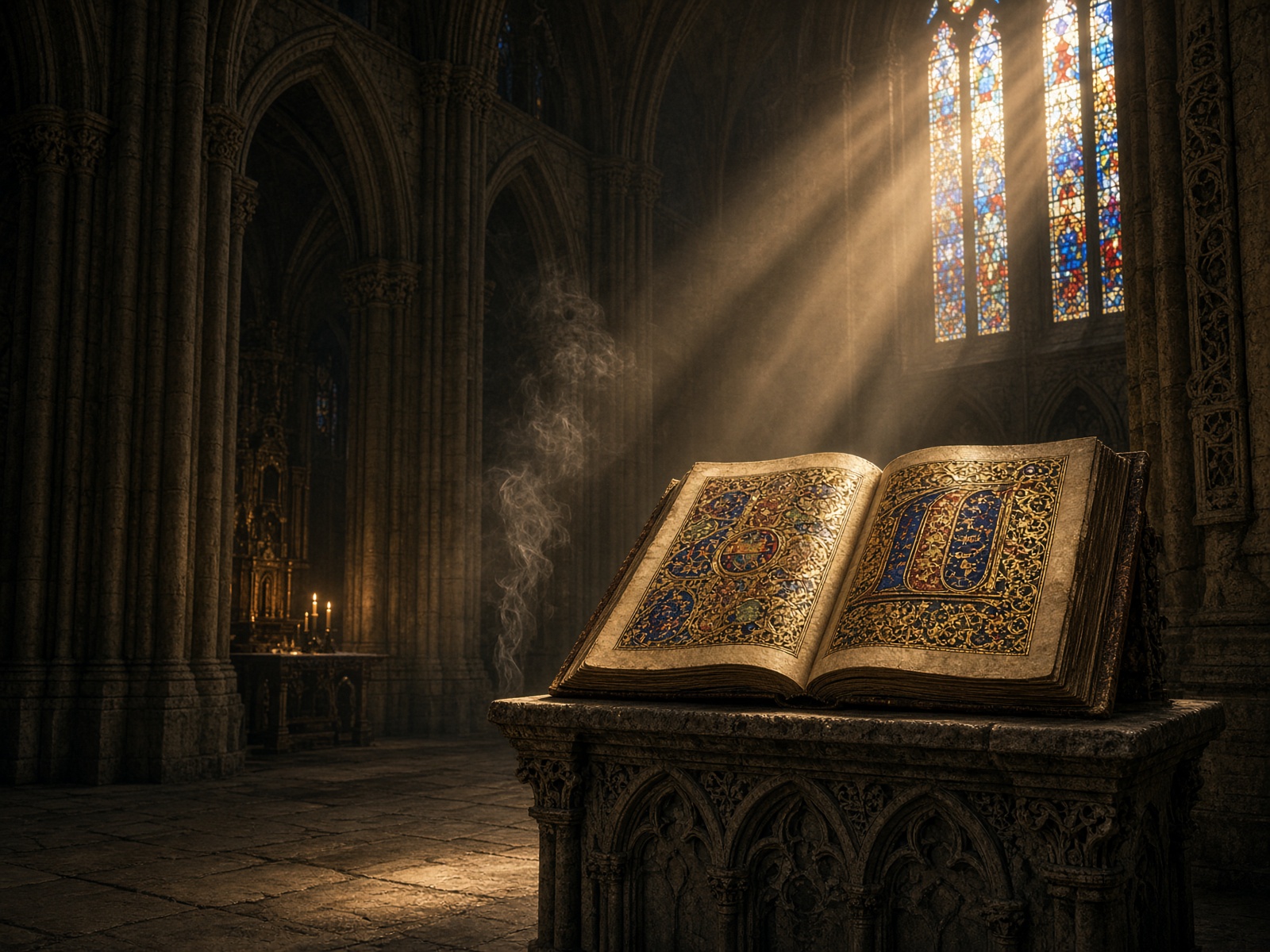
c. 700–1400
Medieval
Faith, pilgrimage, and vernacular awakening. Manuscript culture carries antiquity forward while inventing new journeys of the soul.
c. 1400–1660
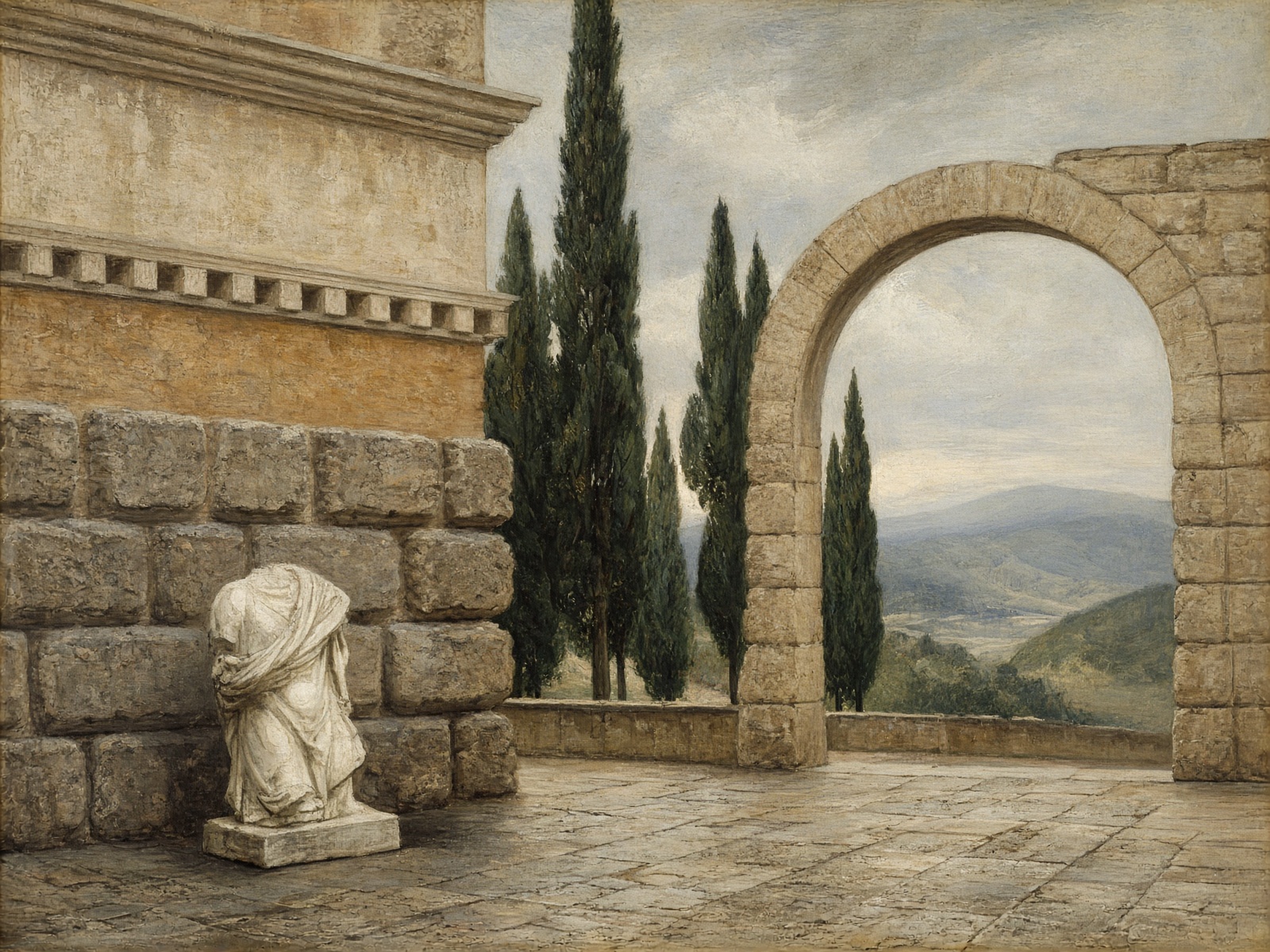
Renaissance
Humanism recovers the ancients and discovers the modern self: essay, tragedy, and the novel’s first great joke.
c. 1600–1740
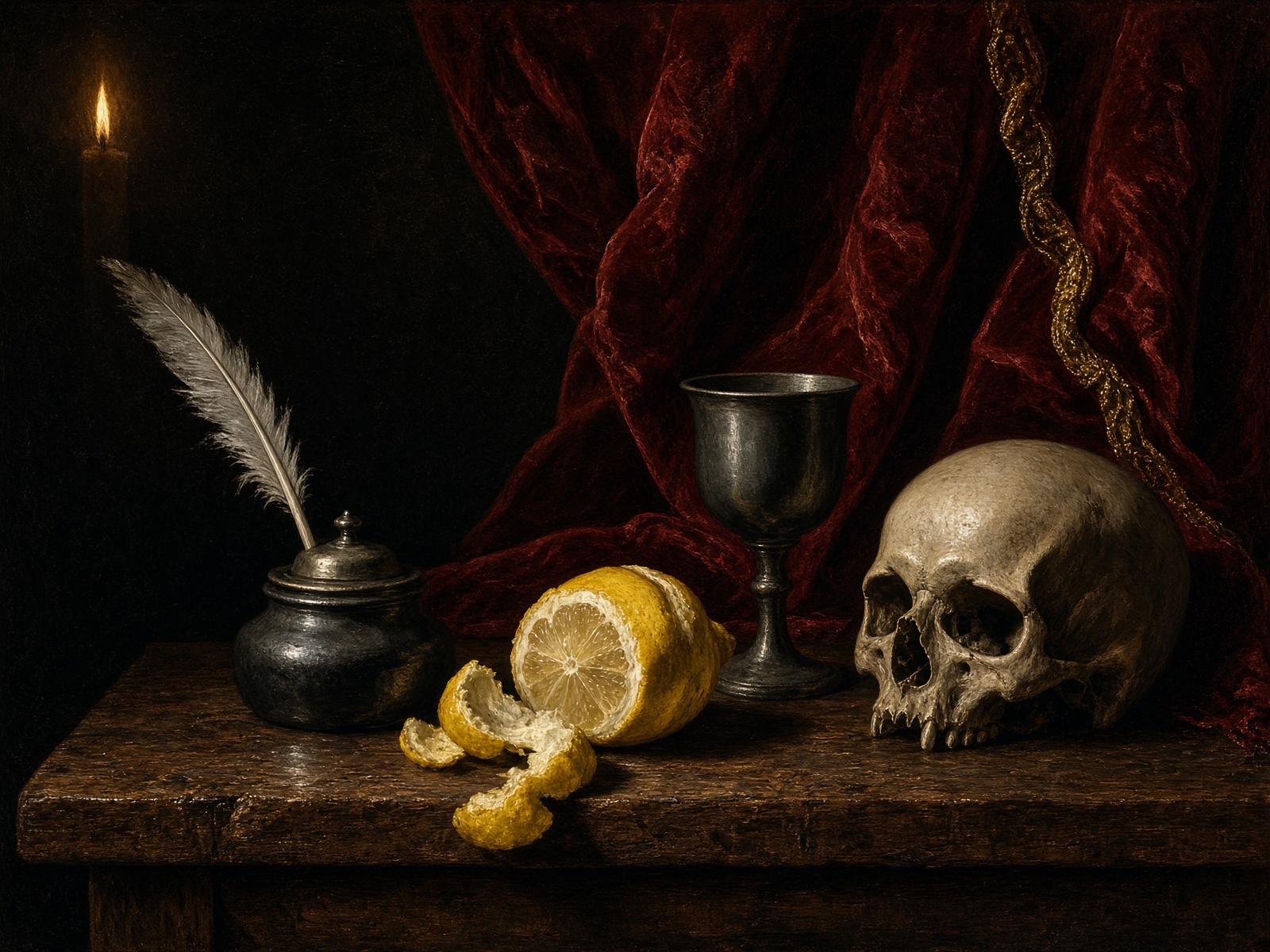
Baroque & Neoclassical
Grandeur, wit, and rule. Sacred epic and glittering satire share an age that loves both excess and measure.
c. 1680–1800
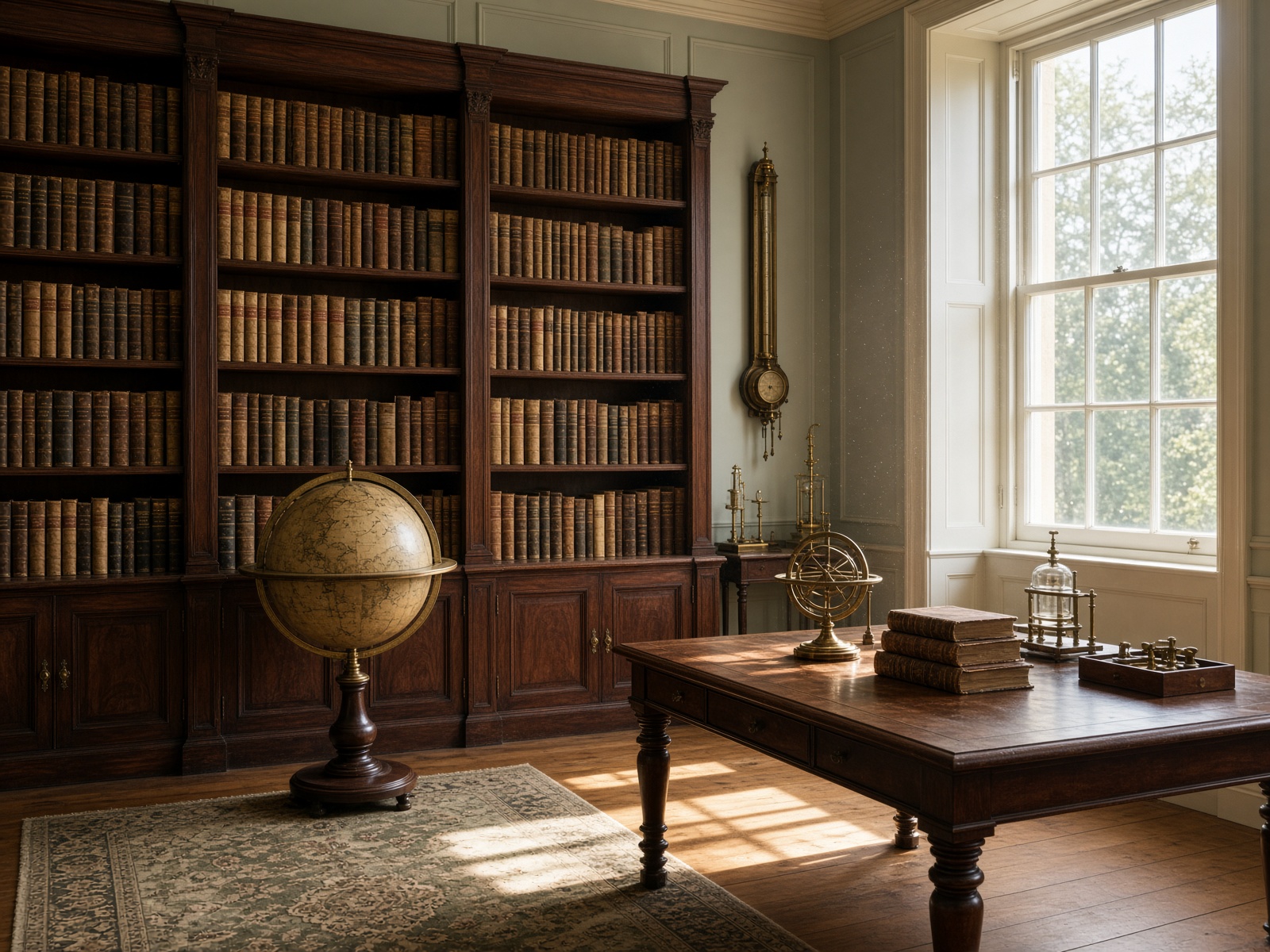
Enlightenment
Reason takes the floor. The philosophical tale, the confession, and the dictionary become weapons of light.
c. 1790–1850
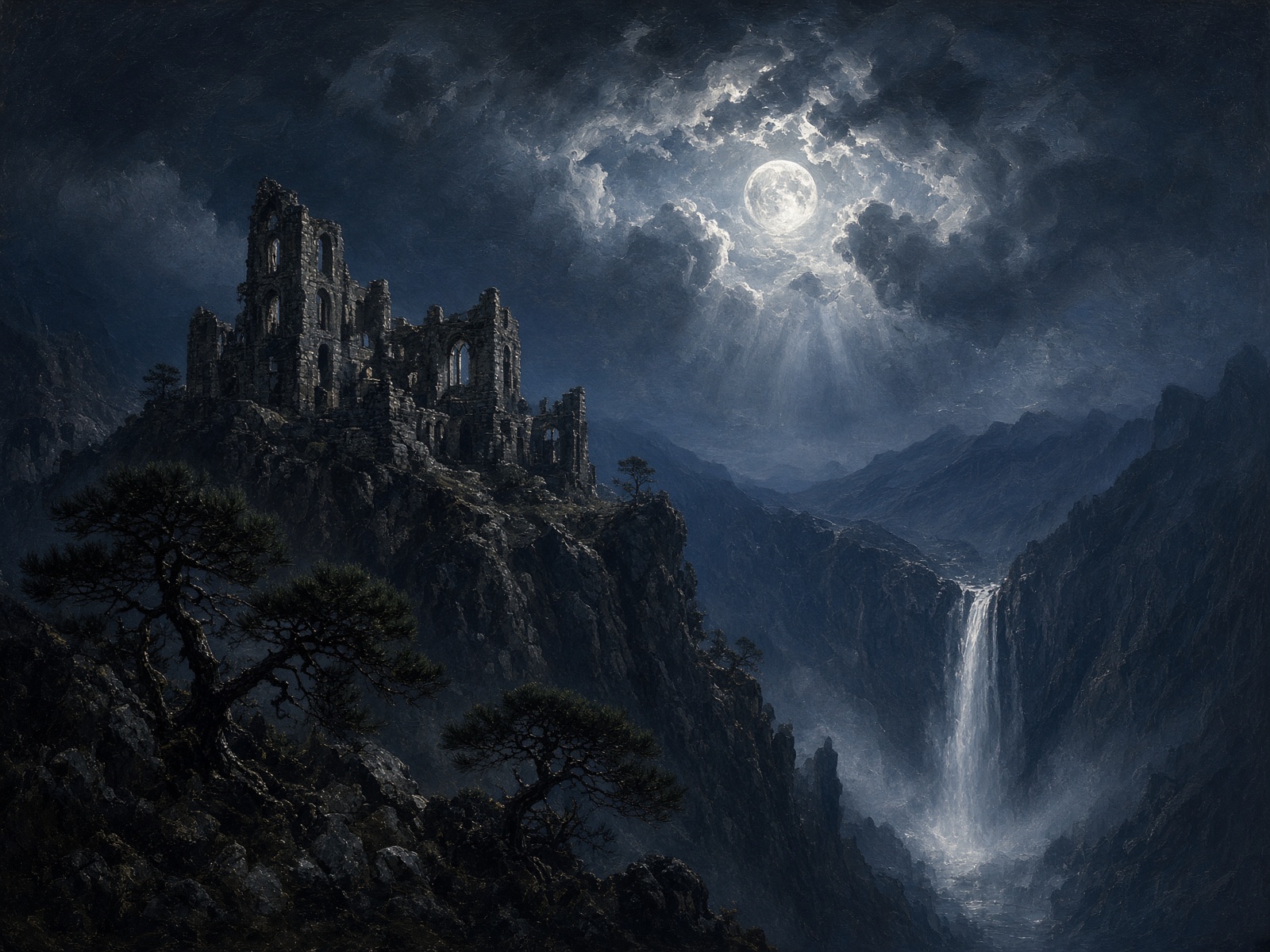
Romanticism
The self against the sublime. Nature, ruins, and the ungovernable imagination replace the salon’s cool light.
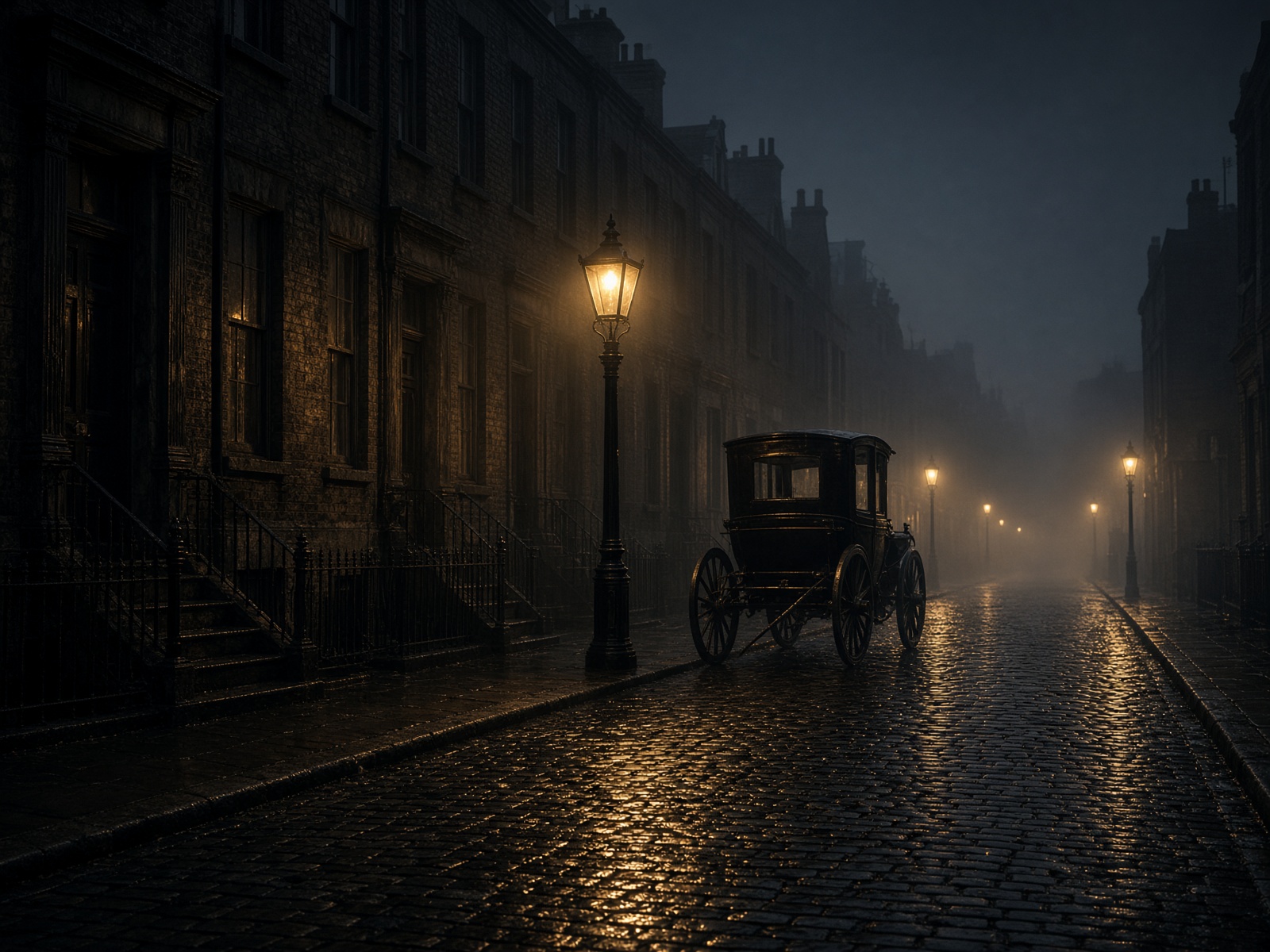
c. 1830–1900
Realism & Victorian
The novel becomes a city. Marriage plots, social systems, and the moral weather of ordinary rooms.
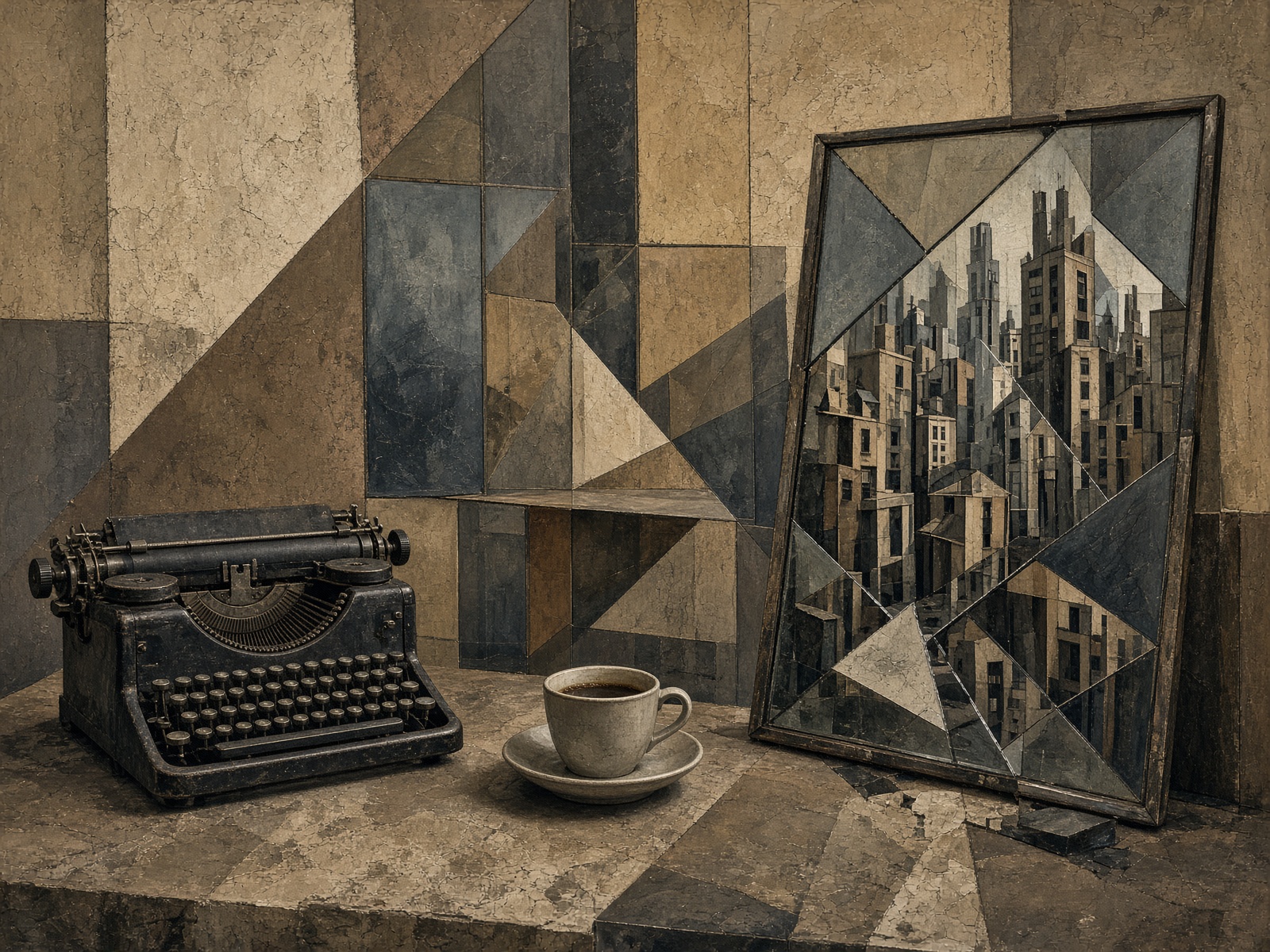
c. 1900–1945
Modernism
Form breaks. Stream of consciousness, myth in the city, and the sentence as a cracked mirror.

1945–present
Postwar & Contemporary
After catastrophe, many voices. Memory, power, and the rewritten archive of who gets to speak.